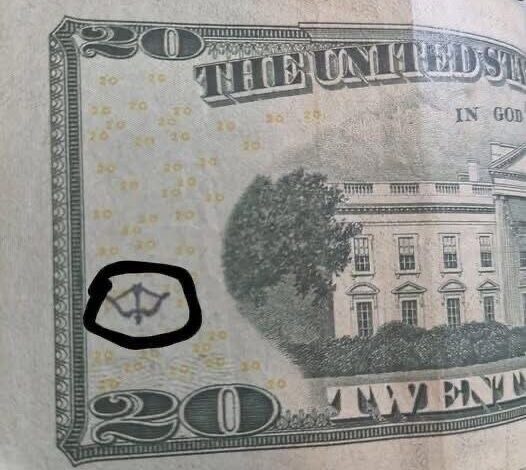
Have you ever noticed a tiny symbol—a bow and arrow, star, or geometric shape—stamped on the margin of a U.S. bill? It’s not graffiti or a mistake. These are chop marks, part of a centuries-old system used by merchants to verify money.
Originating in ancient China, merchants would stamp silver or gold to prove its authenticity. Over time, this practice moved to paper currency, especially U.S. dollars in Southeast Asia, Africa, and Latin America. Merchants, money changers, and even local casinos would mark bills to confirm they had been inspected and trusted.
Today, a bill with a chop mark may have traveled through markets in Hong Kong, Bangkok, or Singapore. Banks in the U.S. still accept them—legally, they are minor defacements, but for collectors, they are valuable pieces of history.
Chop marks are more than verification—they are symbols of trust and human ingenuity, reminders that money is not just paper, but a social contract built across cultures.
Next time you get a bill, check the corners. That tiny stamp could tell a story of global trade, trust, and history.