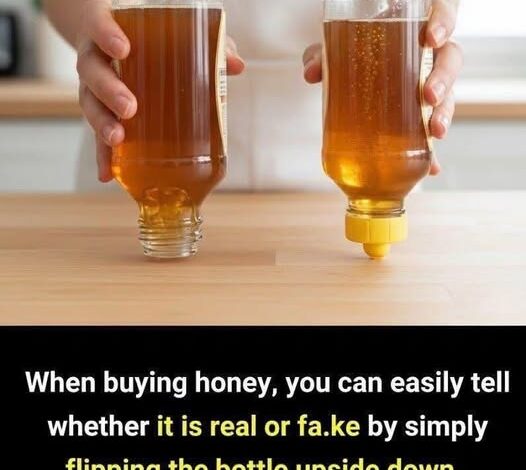
Honey has long been prized as a natural food rich in enzymes, antioxidants, and nutrients, produced entirely by bees. However, the growing demand for pure, organic honey has led to widespread honey adulteration, making authenticity essential for health and sustainability.
Many people try to spot fake honey using the popular upside-down bottle test, which claims real honey flows slowly. In reality, this method is unreliable because honey viscosity varies with temperature, floral source, storage, and processing. Even raw honey and pasteurized honey can behave differently, while adulterated honey can be engineered to look convincing.
More reliable ways to test honey at home include the water test, thumb test, and paper test, which help assess water content. The best protection, however, is smart buying: read labels, avoid blended products, look for certifications, and buy from trusted local beekeepers.
True honey reflects nature, not tricks. Understanding how to identify real, organic honey helps protect consumers—and the integrity of this remarkable natural product. 🍯