She Made Fun of Our Grandma During the Wedding Toast—But Jacob Revealed the Secret We’d Been Hiding for Years

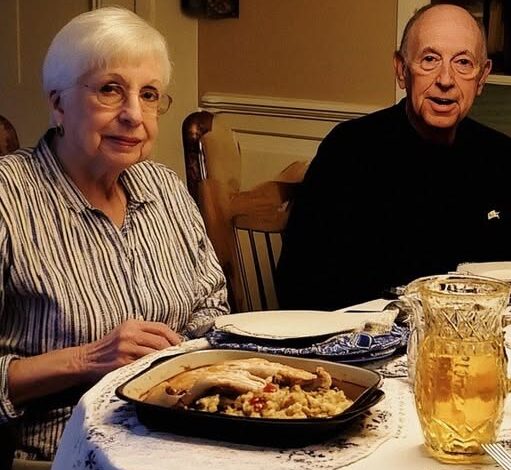
At my brother Jacob’s wedding, only two speeches were requested: mine, and Grandma’s. After Mom died when Jacob was seven, Grandma had raised us—packing lunches, attending recitals, sewing prom dresses. Dad remarried Linda, who resented Grandma and mocked her behind her back.
During the toasts, Linda snorted at Grandma: “OH, WHO LET THE JANITOR IN EARLY?” The room froze. Jacob steadied himself and spoke: “She didn’t just raise us—she protected us from you.” He recounted Linda’s neglect and cruelty, highlighting how Grandma always showed up when Linda didn’t.
Raising his glass, Jacob toasted: “Here’s to the woman who never asked for thanks but never missed a day—who saved us.” The room erupted in emotion. I handed Grandma the microphone. Her speech was steady: “Family isn’t about who you’re born to. It’s about who shows up, even when they aren’t wanted. I love you, Jacob. I love you, Anahi.”
Weeks later, Linda came to Grandma’s door with an orchid, admitting, “I was awful… but I want to help.” Grandma didn’t forgive overnight, but she allowed Linda to start showing up—helping, apologizing, slowly earning a place in the family.
Over time, Linda participated in dinners, listened more, and acknowledged her mistakes. At the next birthday, she thanked Grandma publicly. No one mocked her; the air softened.
Family is messy. Healing begins when someone admits, “I hurt you” or “I could’ve done better.” Sometimes the bravest act isn’t a dramatic mic drop—it’s quietly choosing to show up differently.