Are Eggs Safe After the “Best-By” Date? 🥚
-
What the date means: “Best-by,” “sell-by,” or “use-by” dates indicate egg quality, not safety. Eggs can often be eaten weeks past this date if stored correctly.
-
How long eggs last:
-
Raw eggs in the shell: 3–5 weeks in the fridge
-
Proper storage is key: keep at 40°F (4°C) or lower, in the original carton, on a fridge shelf, not the door.
-
-
Why eggs change over time:
-
Thinner whites, flatter yolks
-
Slightly less fresh taste
-
Older eggs are sometimes better for hard-boiled eggs
-
-
Quick freshness checks:
-
Smell test: Rotten eggs smell sulfur-like
-
Float test:
-
Sinks flat = fresh
-
Stands upright = still usable
-
Floats = discard
-
-
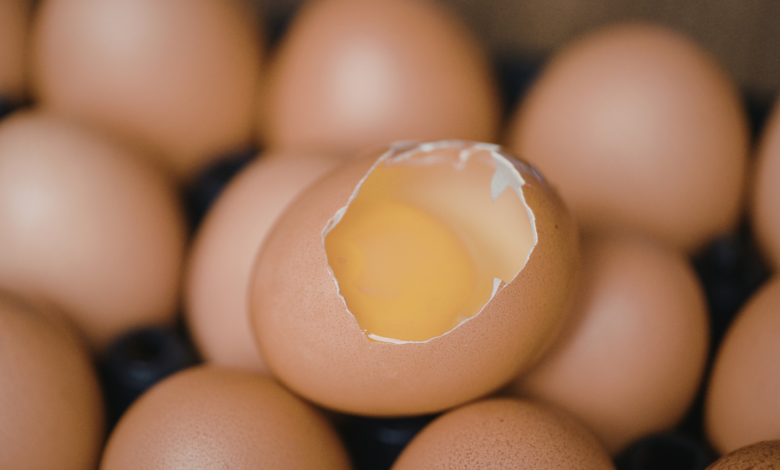
Visual check: Avoid eggs with cracks, slime, powdery shells, or discoloration
-
-
When to throw eggs away:
-
Rotten smell
-
Cracked or leaking shell
-
Floating in water
-
Left unrefrigerated for hours
-
Vulnerable groups (pregnant, elderly, kids, immunocompromised) should always cook eggs thoroughly
-
✅ Bottom line: Eggs can remain safe 3–5 weeks past the date if stored properly. Use simple tests to ensure freshness and reduce food waste.