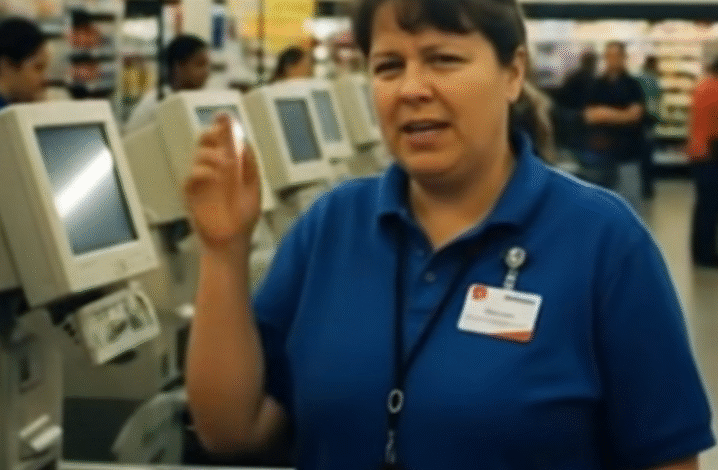
At the “blue” grocery store, I worked self-checkout where we were told to stop theft. But when it was baby food or diapers, I looked away. One dad once slipped out with diapers; a mom scanned half her jars—I saw it, and let it slide.
Then a customer reported me after a man missed scanning apples. The cops came—and the officer was that same dad. Instead of exposing me, he de-escalated and later told me quietly, “Compassion is prevention too.”
Months later, corporate discovered my manager was the real thief, faking returns. I was cleared—and with a new manager, we built a “pay-it-forward” shelf for parents in need. Shrink dropped, but so did the arrests.
I still think about the diapers. That day I chose a person over a policy—and it changed everything.